

The Secret Signs of Burnout (That Most People Ignore) - And How to Escape the Burnout Trap
Burnout doesn’t always look like collapsing on the couch, crying in exhaustion or completely losing the ability to function. Many people are still able to show up, do their jobs, get through daily tasks and still seem like they have it all together. But the spark? It becomes dimmer each day... Most people think burnout is caused by working too much, but for me and many others, burnout appeared from how I was living my life - out of alignment from who I truly was.
Burnout can look like:
constantly being “busy”
saying yes to everything
pushing through exhaustion
feeling emotionally numb
being irritated by small things
struggling to switch your brain off
waking up tired no matter how much you sleep
For a long time, I thought burnout only happened to people who worked extreme corporate jobs or were physically overworked. I didn’t realise you could be functioning, socialising, showing up every day - and still be deeply burnt out underneath it all.
The truth is, burnout often builds slowly and quietly. You adapt to the stress until your nervous system starts treating overwhelm like your normal state.
And eventually, you stop feeling like yourself.
What Burnout Actually Feels Like
Burnout is more than being tired. It’s emotional exhaustion, mental overload and nervous system depletion that builds over time when stress outweighs recovery for too long.
One of the hardest parts about burnout is that many of the symptoms don’t immediately seem connected (and if you’re female, often brushed off when raised as a concern)
You may notice:
brain fog
irritability
lack of motivation
anxiety and spiraling thoughts
emotional numbness
trouble concentrating
feeling disconnected from yourself
constantly needing dopamine or distraction
struggling to enjoy things you used to love
Many people don’t realise they’re burnt out because they’ve become so used to operating in survival mode.
The modern world also makes it increasingly difficult to slow down, reflect and prioritise ourselves.
It’s Not Always From Working Too Much…
Working hard isn’t always the culprit.
One of the biggest contributors to burnout, especially for women is living a life that constantly goes against who you truly are. When you continuously ignore your own needs, suppress your emotions, people please, overcommit, or stay stuck in situations that don’t align with your authentic self, your nervous system remains in a constant state of stress.
Over time this causes emotional exhaustion because you’re spending so much energy performing, coping and surviving instead of feeling genuinely fulfilled or connected to yourself.
Many people experiencing burnout aren’t just overworked - they’re disconnected from their own identity, boundaries, passions, and emotional needs and the longer you abandon yourself to meet expectations or maintain a life that doesn’t feel right, the more mentally and emotionally draining everyday life becomes.

The Hidden Signs of Burnout
1. You Can’t Relax Without Feeling Guilty
Ever have a day off and think to yourself, “how much can I get done today?” Even when you finally sit down, your can probably think of other things on your list that need doing.
You feel like you should be:
doing something productive
replying to messages
cleaning
planning ahead
working on your goals
Rest starts to feel uncomfortable instead of restorative.
This is one of the clearest signs your nervous system is stuck in overdrive.
2. Small Tasks Feel Overwhelming
Burnout makes even simple things feel impossible.
Replying to emails, making decisions, cooking dinner, or running errands suddenly feels exhausting. Not because you’re lazy - but because your mental capacity is overloaded.
It can feel like you’re moving through quicksand for things that were once so easy to accomplish…
3. You’re Constantly “On”
Many people experiencing burnout become hypervigilant without realising it.
You may feel:
unable to switch off
emotionally reactive
overstimulated easily
exhausted by noise or social interaction
mentally alert even when physically tired
Your body never fully feels safe enough to actually rest.
4. You’ve Lost Connection With Yourself
This is one of the most overlooked symptoms of burnout.
You stop asking: “What do I actually want?”
Instead, life becomes about:
surviving the week
getting through the to-do list
meeting expectations
keeping everyone else happy
Over time, you can start feeling disconnected from your own needs, emotions, passions and identity.

Daily life is full of expectations, some placed on us and others we place on ourself - are we doing too much because we have to? Or is this something that can be challenged?
5. Everything Feels Like Effort
Things that once felt easy now feel draining.
You may notice:
low motivation, finding it difficult to start things
emotional numbness
difficulty feeling excited
lack of creativity
struggling to feel present
Burnout often steals your capacity to feel joy before it steals your productivity.
Why So Many People Stay Stuck In Burnout
The problem is that modern life often rewards burnout behaviours.
We praise:
overworking, staying late, going above and beyond
hustle culture
constant productivity
being available 24/7
pushing through exhaustion
social media consumption
Many people don’t slow down until their body forces them to. But burnout recovery isn’t just about taking a weekend off or having a self-care day.
It requires rebuilding your relationship with:
rest
boundaries
productivity
self-worth
your needs
nervous system regulation
How To Get Out of the Burnout Trap
1. Stop Treating Rest Like Something You Earn
Rest is not a reward for productivity. Your body needs recovery before it reaches breaking point.
Sometimes the most productive thing you can do is slow down enough to actually hear yourself think again.
And when I say rest - I don’t mean bed rotting and doom scrolling either.
Ways to rest without screens can look like:
reading a book
relaxing puzzles like jigsaws
a walk without your phone
sitting out in the sun enjoying a beverage
yin yoga
journal or creative writing
colouring book
2. Reduce Mental Clutter
Burnout thrives in mental overload. When your thoughts aren’t clear your brain can feel noisy and overwhelming. Thinking more doesn’t solve this.
One of the most helpful tools for burnout recovery is journaling because it helps move spiraling thoughts out of your head and onto paper. Doing a “brain dump” of everything that is on your mind can be really helpful in untangling what’s going on - and sometimes you realise you actually don’t have that much to worry about.
Brain dumping can help:
reduce overwhelm
improve clarity
calm racing thoughts
process emotions
create space mentally
You don’t need to write perfectly either - you just need to get it out of your head.
3. Start Paying Attention To Your Nervous System
Burnout is not just mental - it’s physiological and your nervous system may be stuck in a constant stress response.
Simple practices can help regulate your body again:
walking without your phone
deep breathing
quiet mornings
less multitasking
reducing overstimulation
spending time offline
journaling before bed
Recovery often begins with creating moments of safety and slowness.
4. Reconnect With Yourself Slowly
Burnout disconnects people from their identity. For me personally, I slowly lost who I was and am still rebuilding a sense of self years later.
Start asking yourself:
What genuinely makes me feel calm?
What drains me?
What do I need more of?
What am I constantly ignoring?
What would life feel like without constant pressure?
You don’t need to reinvent your life overnight either.
Small moments of self-connection matter more than dramatic, unsustainable changes.
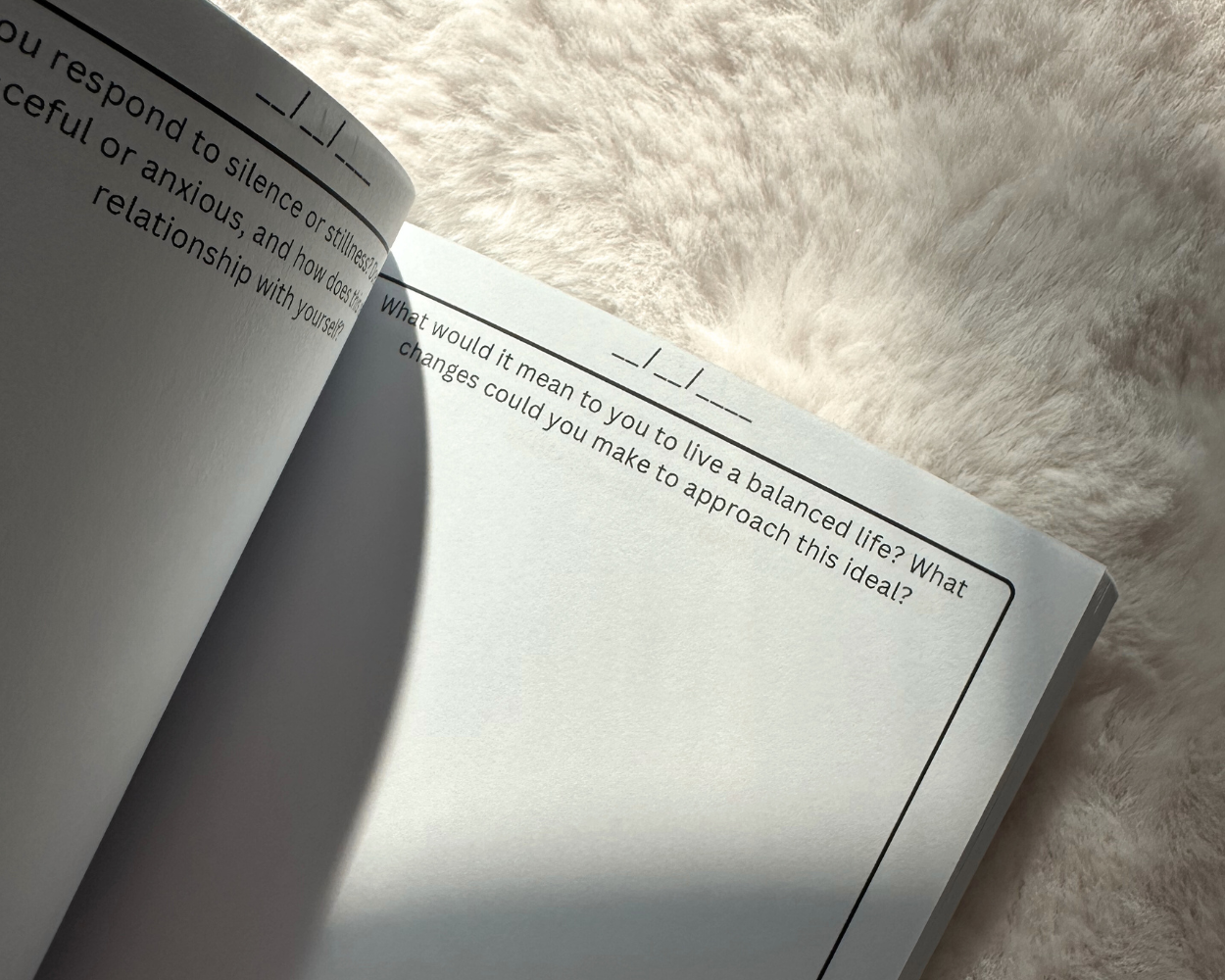
Journaling is an effective way to not only reconnect to yourself, but is a restful, stress relieving activity that can help in your burnout recovery.
5. Learn That Your Worth Is Not Based On Productivity
This is often the deepest layer of burnout.
Many people(especially women) tie their self-worth to:
achievement
being needed
staying busy
helping everyone else
constantly doing more
But constantly proving your worth through exhaustion eventually will catch up with you.
Tools for Actually Overcoming Burnout
If you’re searching for an effective tool for helping burnout that’s not just a band-aid solution - the Anti Burnout - Guided Journal is full of guided journal prompts for self discovery, reconnection, boundaries, growth and healing.
It was carefully created with a few key topics in mind:
It helps you reconnect to yourself and what truly brings you joy - with self discovery and reflection journal prompts.
It helps you identify area’s of energy depletion so you can be more mindful of how you spend your time.
It helps you identify where you need to create or strengthen your boundaries to protect your peace.
It helps you build better habits and routines that support your mental and physical health.
It helps you understand burnout and which area’s of your life need more balance and attention.
You can overcome this, and you can feel better - you just need a place to start.
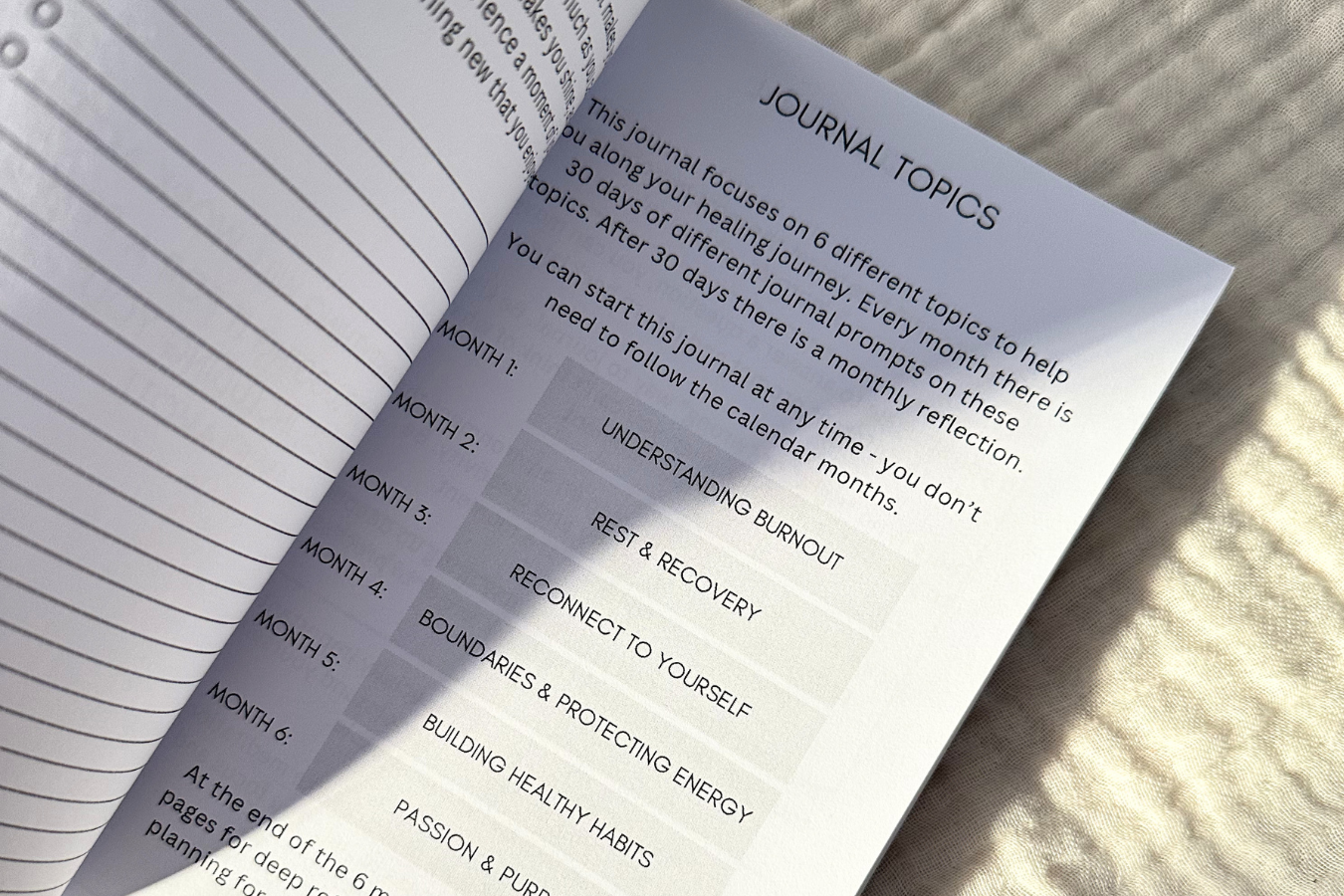
The 6 topics inside the Anti Burnout - Guided Journal by inward journal co, a guided journal packed full of effective journal prompts for burnout recovery, inspired by my own healing journey.
Final Thoughts
Burnout doesn’t always announce itself loudly - it quietly steals your energy, joy, motivation and sense of self until surviving becomes your normal.
Healing from burnout isn’t about becoming a “better” or more productive version of yourself, it’s about rebuilding a life that actually feels sustainable.
A life where your nervous system is not constantly overloaded.
A life where you feel connected to yourself again.
And sometimes, that recovery starts with something as simple as slowing down long enough to listen to what your mind and body have been trying to say all along.
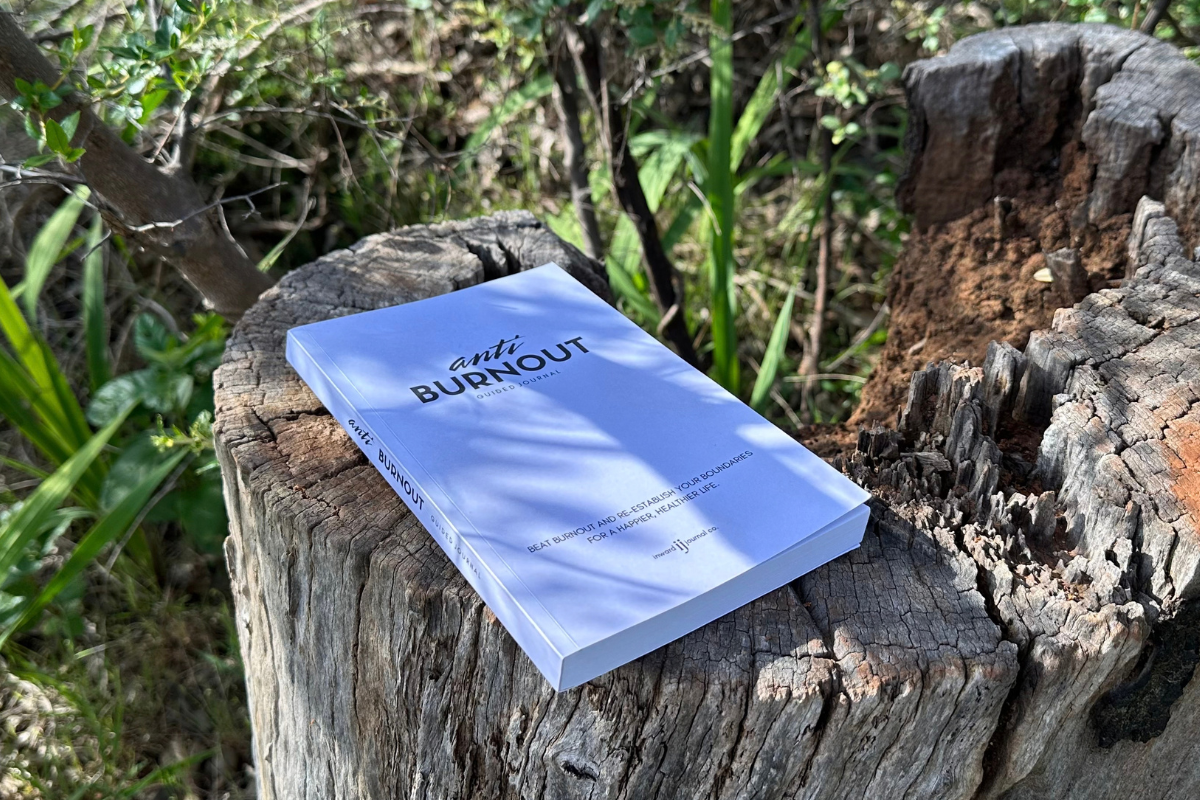
The Anti Burnout - Guided Journal is designed to help you step out of survival mode and begin restoring your energy, clarity, and sense of balance.
For the people who want a reset, not another productivity hack.
This journal helps you:
Understand what’s actually draining you (and why)
Rebuild habits that support you - not exhaust you
Set boundaries that protect your time and energy
Reconnect with what makes you feel like you again
Perfect for anyone looking for a guided burnout recovery journal, self care journal, or mental wellness journal - that is also easy to use.
