

Why Journaling Is So Good for Anxiety: A Simple Practice That Can Calm an Overthinking Mind
Feeling anxious can feel like carrying around hundreds of thoughts at once - racing worries, worst-case scenarios, stress, and mental exhaustion. If you've ever felt trapped inside your own thoughts, journaling may be one of the simplest and most powerful tools to help. Research and personal experience continue to show that journaling for anxiety can reduce stress, improve emotional awareness, and help people regain a sense of control over their thoughts.
Whether you're new to journaling or wondering if it actually helps anxiety, this guide explains why journaling works and how to start.
What Is Anxiety?
Anxiety is more than occasional stress or nervousness. It often feels like persistent worry, overthinking, physical tension, fear about the future, or a mind that struggles to switch off.
Common anxiety symptoms can include:
Racing thoughts
Constant overthinking
Trouble sleeping
Feeling overwhelmed
Difficulty focusing
Increased stress levels
Physical symptoms like a racing heart or tension
Many people try to cope by pushing their thoughts away. The problem is that unprocessed thoughts often become louder.
Journaling creates a space to slow down and release those thoughts.

Anxiety can make you feel like you’re drowning…but there are ways to help yourself swim.
Why Journaling Helps Anxiety
1. Journaling Gets Thoughts Out of Your Head
An anxious mind often feels cluttered. Thoughts repeat themselves because your brain keeps trying to solve or remember them. Writing your thoughts down creates distance between you and the anxiety. Instead of carrying every thought mentally, you place it somewhere tangible.
Many people describe this as feeling like they can finally "breathe" after writing.
2. Journaling Helps Identify Anxiety Triggers
Anxiety can sometimes feel random, but patterns often exist.
When you journal consistently, you may start noticing:
Situations that increase stress
Certain people or environments affecting your mood
Thought patterns that repeatedly appear
Habits that worsen anxiety
Recognizing triggers is an important first step toward managing anxiety.
3. Journaling Slows Down Overthinking
Overthinking often causes thoughts to move rapidly and feel overwhelming. Writing naturally forces you to slow down, especially as your hand writes slower than your brain can think of the words. You move from chaotic mental loops into structured sentences. That small shift can create clarity and help separate realistic concerns from anxious thinking.
4. Journaling Builds Self-Awareness
People often spend years reacting to anxiety without fully understanding it. Journaling creates a habit of checking in with yourself.
Questions like:
What am I feeling right now?
What caused this feeling?
What do I need today?
can build stronger emotional awareness over time. The more you understand yourself, the easier it becomes to support yourself.
The journal prompts for anxiety can vary a lot - some help you manage anxiety in the moment, while others challenge your thinking and help you reframe your thoughts, like the one below from our Anti Anxiety - Guided Journal
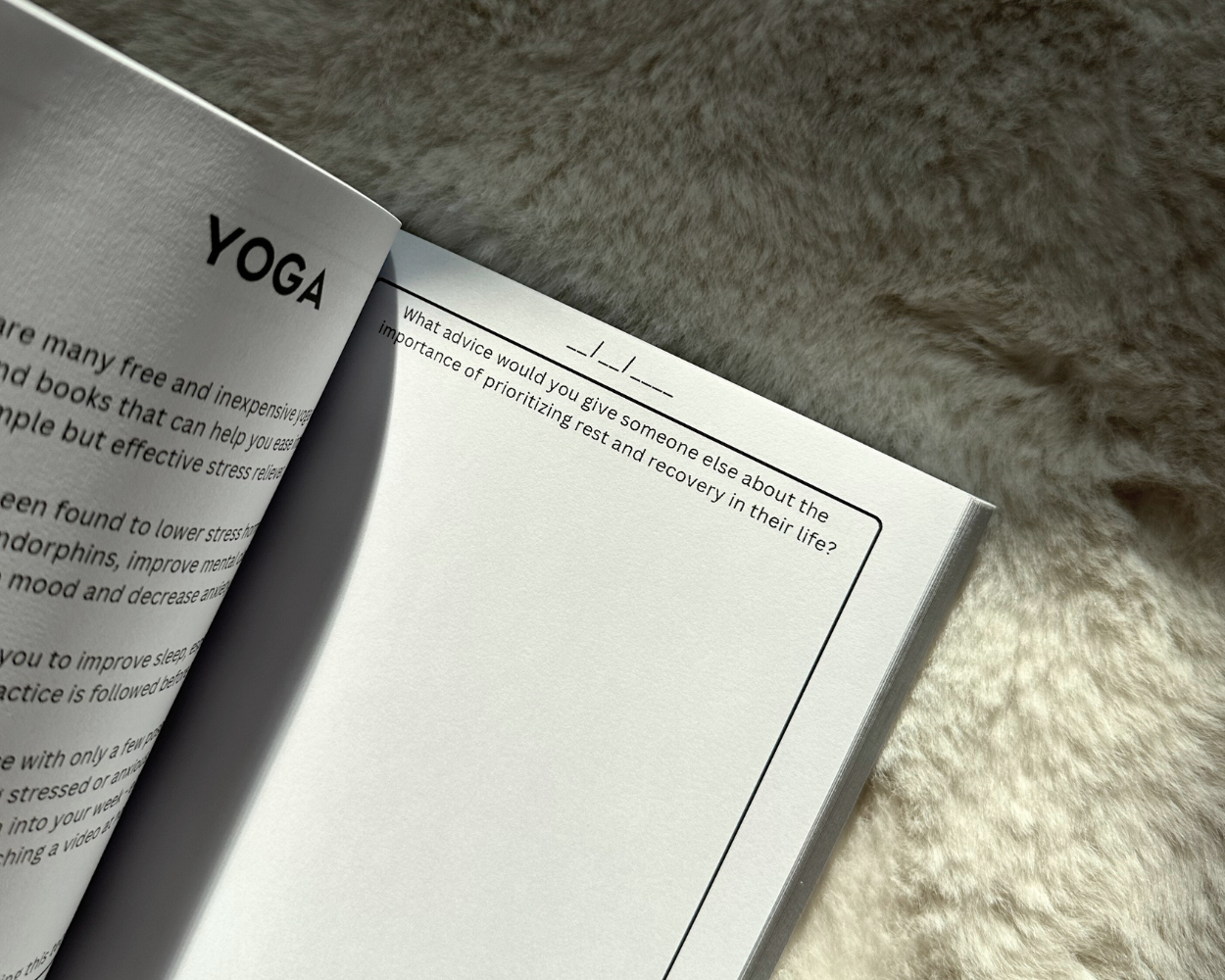
One of the 180 daily journal prompts from Anti Anxiety - Guided Journal by inward journal co.
5. Journaling Can Reduce Stress Levels
Stress and anxiety often work together. Writing about emotions has been shown to help process difficult experiences and reduce emotional pressure. Even spending five minutes journaling each day can create a sense of release.
Journaling dosen’t need to be perfect. The goal isn't writing beautifully - it's expressing honestly.
How to Start Journaling for Anxiety
Many people avoid journaling because they think they need to write pages and pages every day to see results - you don't. Others find staring at a blank page to be overwhelming, struggling to find something to write.
That’s why we created the Anti Anxiety - Guided Journal. A simple, easy to use guided journal with over 180 prompts to help you work through your anxiety triggers and find calm and clarity amongst the chaos of every day life.
However you choose to journal, consistency matters more than paragraph length.
Final Thoughts: Why Journaling for Anxiety Works
Anxiety often makes thoughts feel louder, faster, and heavier. Journaling creates a pause. It gives your thoughts somewhere to go. It helps uncover patterns, process emotions, reduce overwhelm, and reconnect with yourself.
You do not need to be a writer.
You do not need to know exactly what to say.
You simply need a place to begin.
One page, one thought, one prompt at a time.
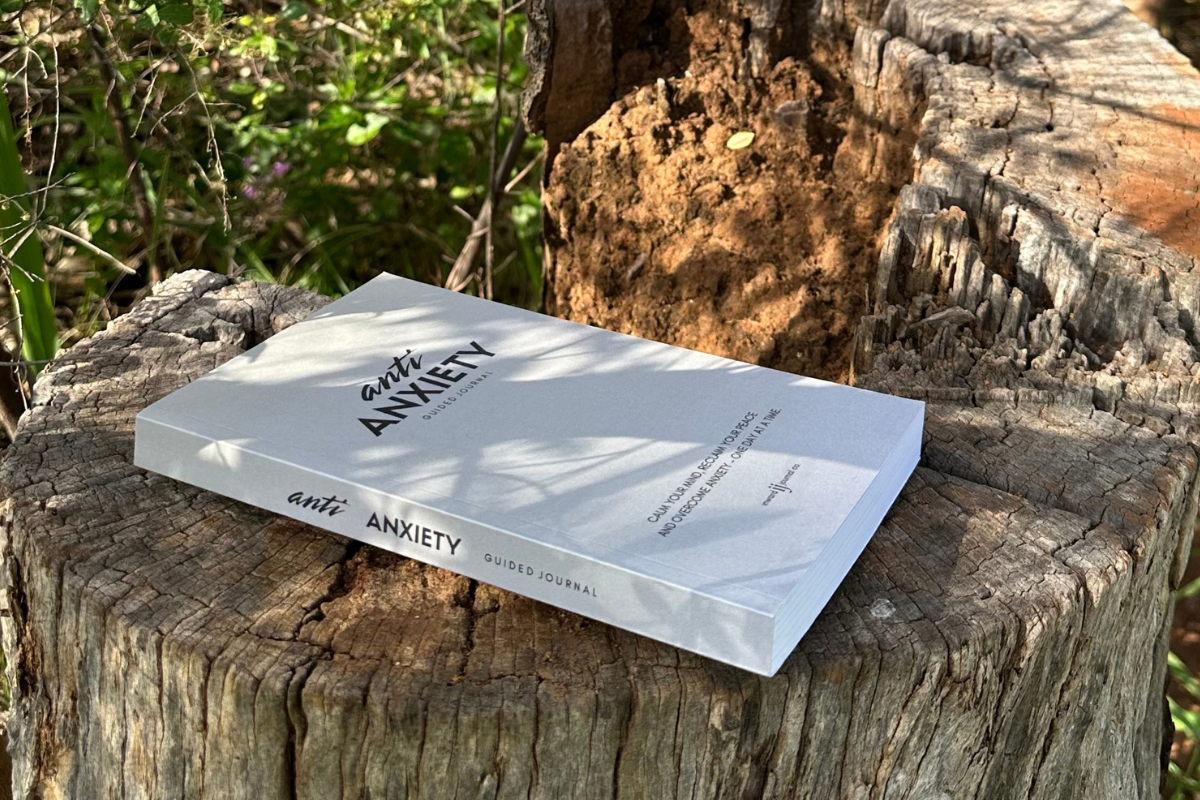
The Anti Anxiety – Guided Journal is designed to help you understand your anxiety, recognise your triggers, and respond to your thoughts with greater calm, clarity, and self-compassion through effective daily journal prompts.
This journal helps you:
Identify what triggers your anxiety and how to reduce overwhelm
Reframe anxious thought patterns and stop spiraling thoughts
Reduce overwhelm and create supportive daily habits
Develop boundaries that protect your energy and wellbeing
Support your mental health through a journaling habit
Stop ruminating and overthinking, and start growing
Perfect for anyone looking for a guided anxiety relief journal, self care journal, or mental wellness journal - that is also easy to use.
